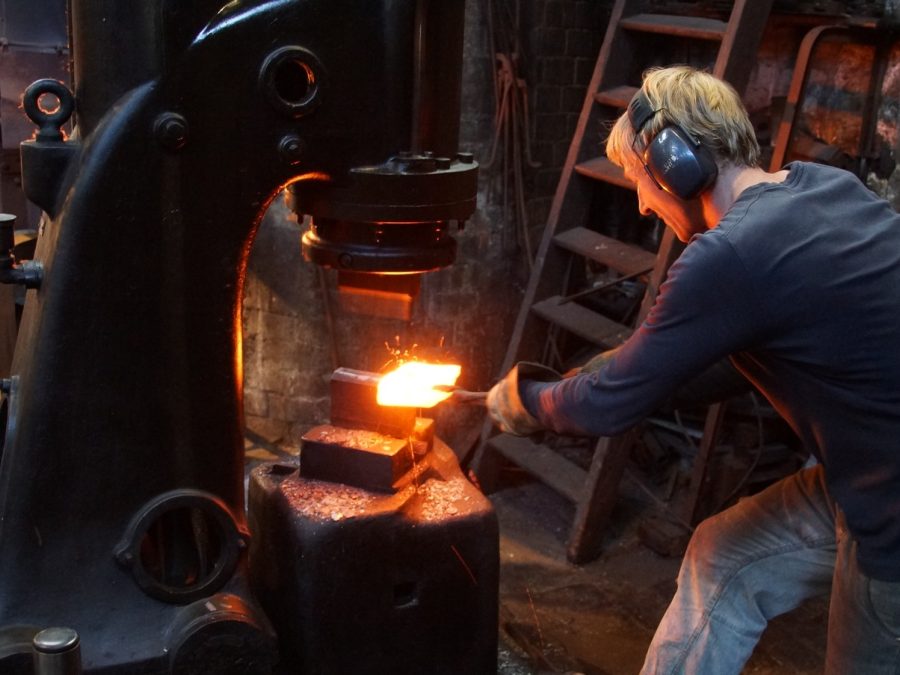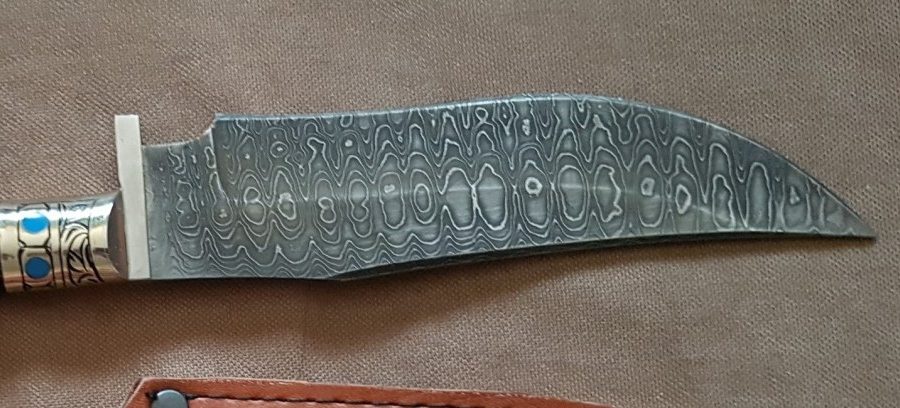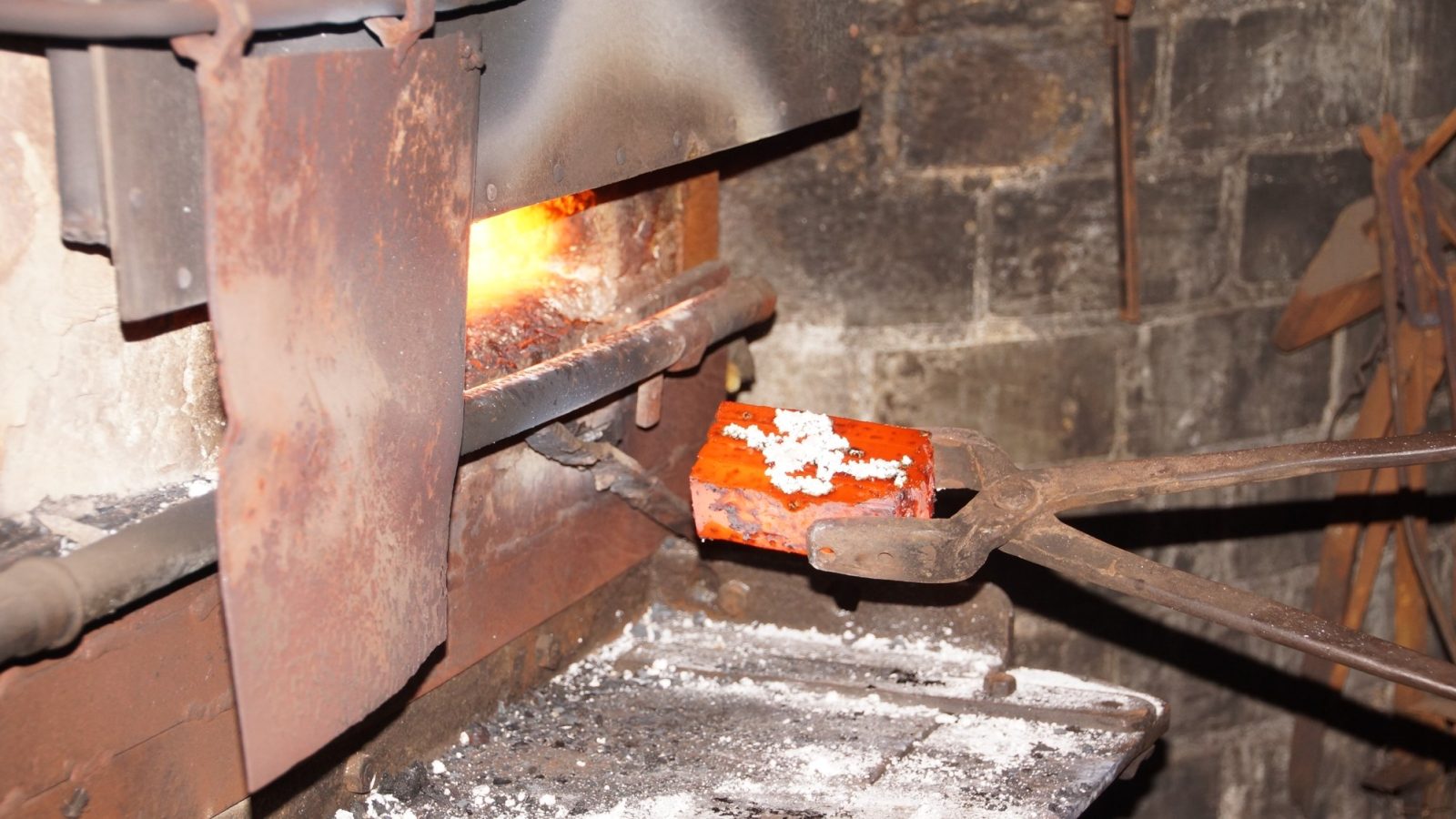
Forging and grinding shape the knife, but the quench and temper decide what the steel actually does under stress — and it’s the step we’ve had to instrument most carefully, because a few seconds either way changes the outcome more than almost anything else in the process. Miss the non-magnetic point (the temperature where the steel’s crystal structure shifts to austenite) before quenching and you get incomplete hardening no matter how good the oil is; quench too slowly past that point and the steel transforms into softer pearlite before martensite ever has a chance to form.
We check the non-magnetic point with a magnet on every single blade rather than trusting a fixed time-and-temperature recipe, because our shop’s forge runs slightly differently on a humid day than a dry one, the same way a still runs differently for a distiller. It’s the one step we’ve never been able to fully systematize, and honestly we’ve stopped trying — a magnet and a trained eye still beat a stopwatch here.