Bespoke Bladesmith

We put the Rockwell number on the label, not the adjectives.

Chef's knives, hunting knives, and EDC blades, forged in small runs from a stated steel program and heat-treated to a stated hardness — every blade made on one forge floor since 2011.

2011
Forging since
5
Steel programs running
58–62
HRC range across the lineup
1
Forge floor, one smith

The Catalogue

Blades with a stated steel, hardness, and edge geometry.

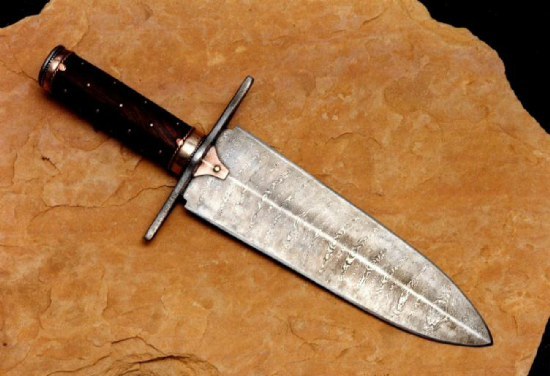
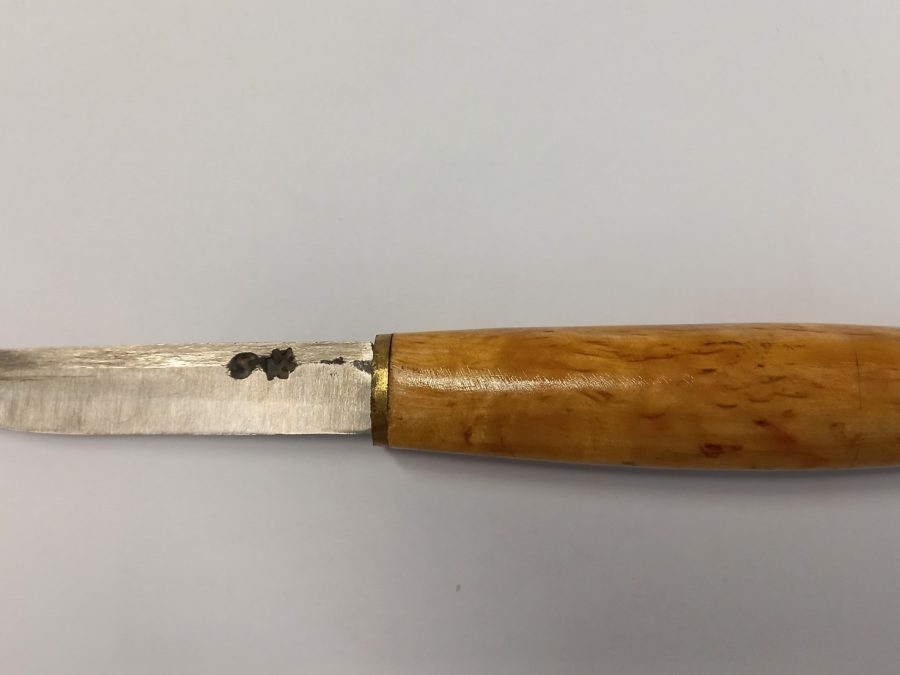
Every blade below lists exactly what it's built from — the steel program, the Rockwell hardness it was tempered to, and the edge geometry it was ground with. No blade we can't back up with a number.
View the full catalogue

Steel Programs

Steel chosen for a specific mechanical outcome.

Composition, fold count, and hardness range are picked to answer a specific performance question — then heat-treated to a tracked, repeatable spec, not eyeballed batch to batch.

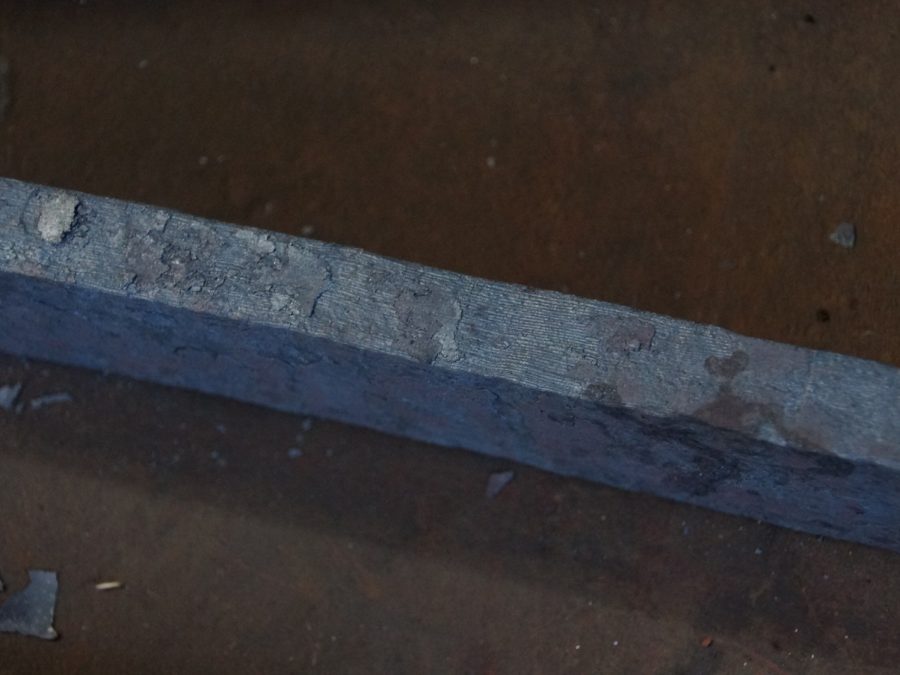
Close-up of a forged plain carbon steel bar with oxide finish
N/A — mono-steel

52100 Bearing Steel

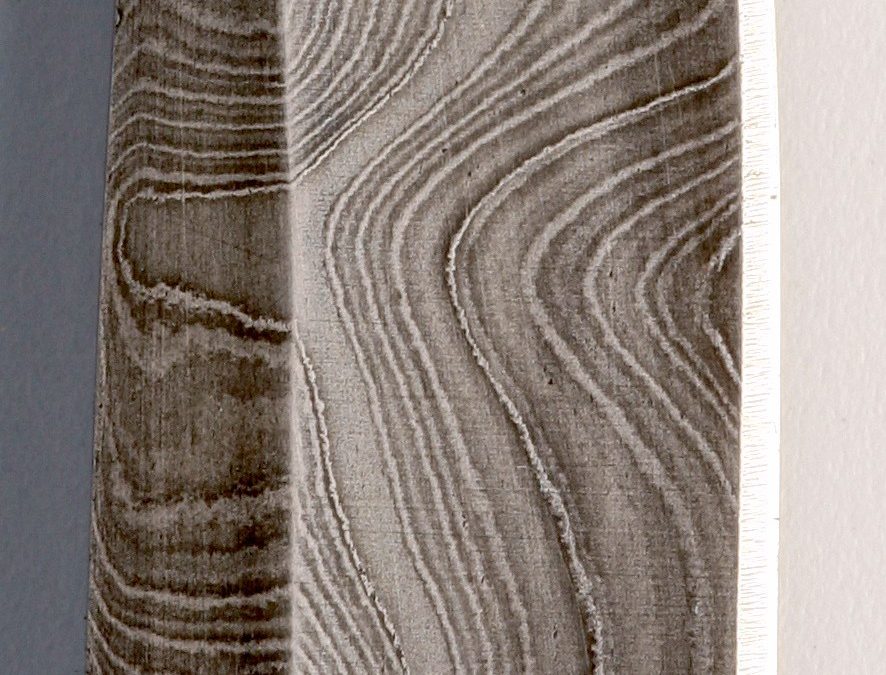
Close-up of ladder-pattern Damascus steel showing layered grain
~300 layers

Ladder Damascus (1084/15N20)

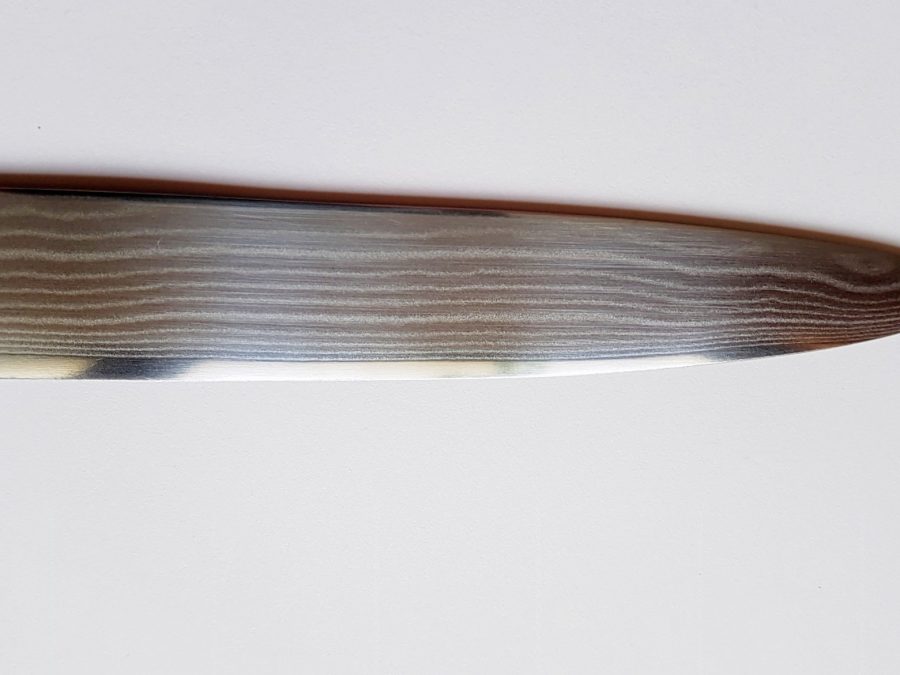
Close-up of a Damascus kitchen knife blade with fine wavy pattern
~200 layers

Raindrop Damascus

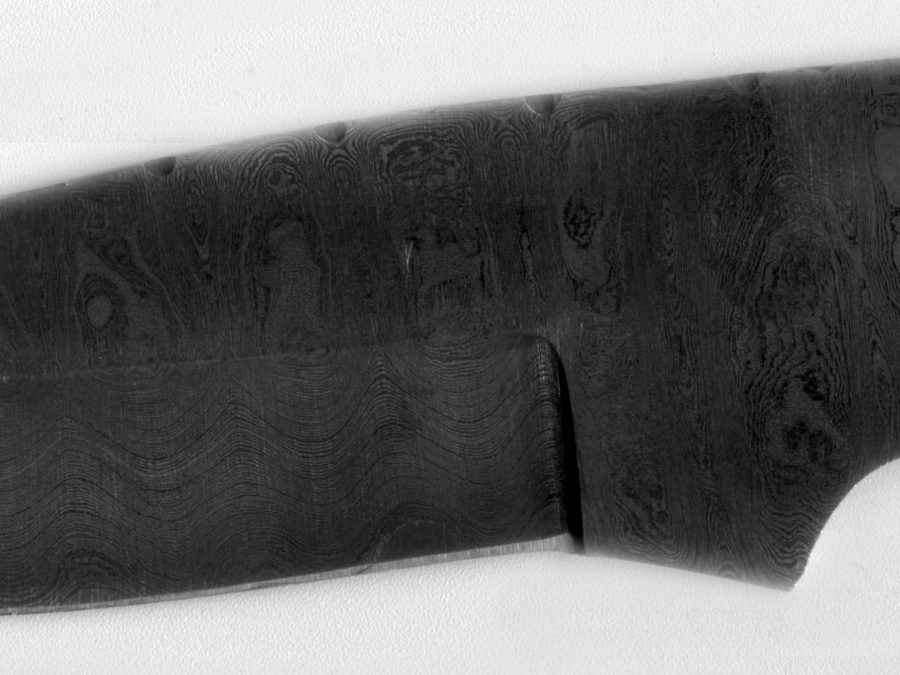
Close-up of dark mottled pattern-welded Damascus steel
~400 layers (pre-twist)

Turkish Twist Damascus (1080/15N20)

View all steel programs

How It's Made

Bar stock to finished edge, traced through the forge.

Billet Fold & Draw Normalize / Harden Temper Grind & Finish

A billet of bar stock is forge-welded and folded (for pattern steels) or drawn out directly, ground to rough shape, normalized in descending heat cycles to refine grain, then hardened by quenching past the non-magnetic point. The blade is tempered back to a working hardness in a controlled reheat, then hand-ground and finished to a working edge.

Temper Color

Judge the temper the way a smith does.

Polished steel changes color predictably as it's reheated after hardening — pale straw, then gold, bronze, purple, and blue, each shade corresponding to a real temperature and a real hardness/toughness trade-off. Drag the slider to see what a given temper color actually means.

Bare steelFull blue

“They gave me the steel type and the Rockwell number before they gave me a marketing paragraph. Every other maker I've ordered from does it the other way around.” Executive Chef, regional restaurant group

Journal

Notes from the forge floor.

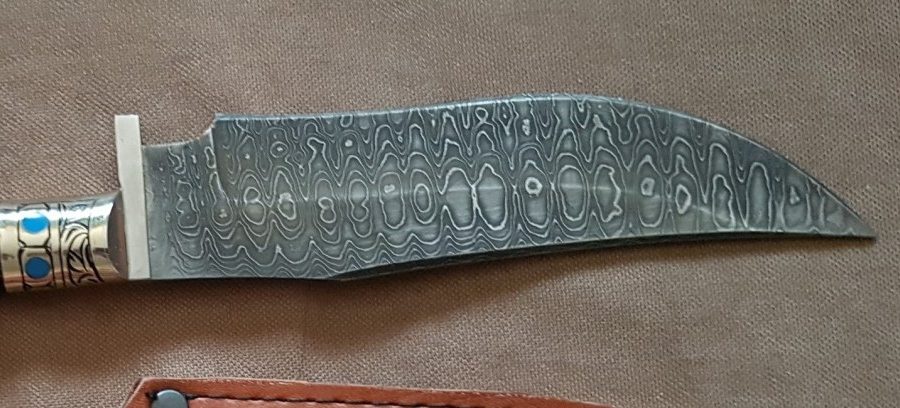
Curved dagger blade showing a dense mosaic Damascus pattern
August 6, 2026

Layer counts are not just a marketing number

“300 layers” sounds precise, but the actual number depends entirely on how many times a billet was folded…

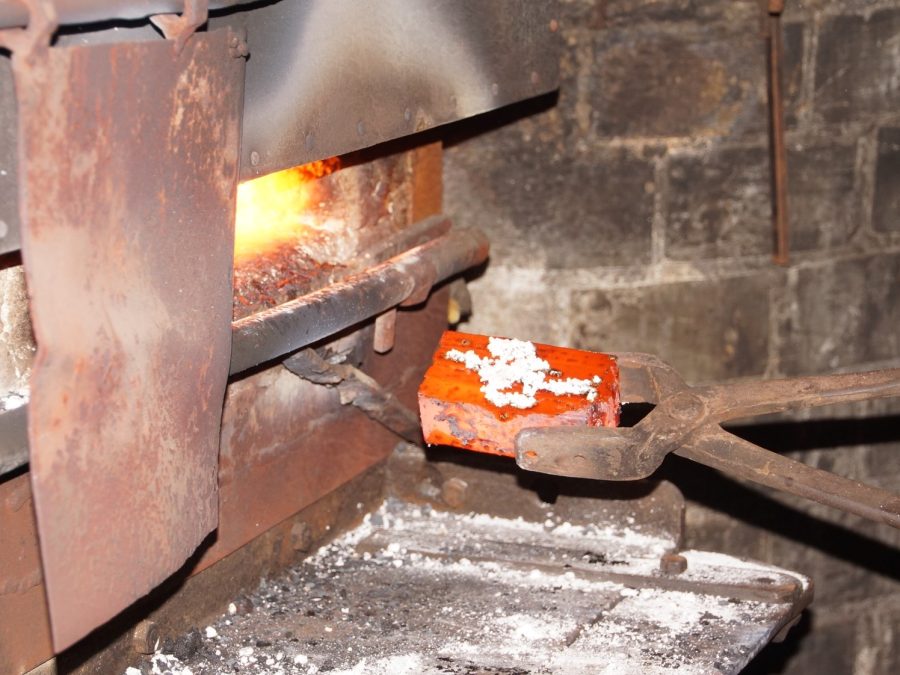
Smith drawing a glowing hot steel billet from the forge fire
August 6, 2026

The quench: where a blade’s temper is actually decided

Forging and grinding shape the knife, but the quench and temper decide what the steel actually does under…

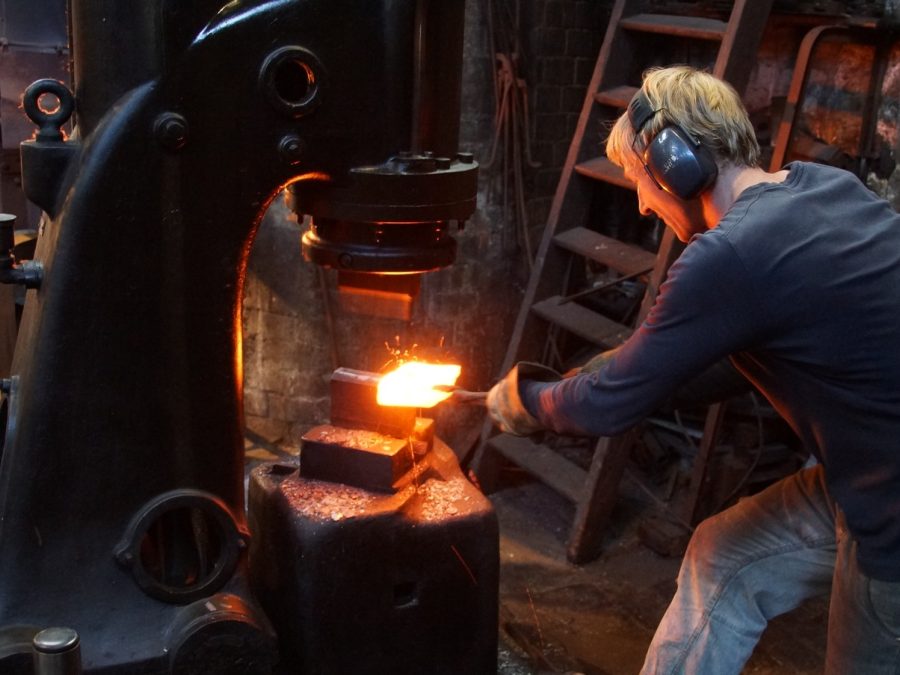
Blacksmith hammering a glowing steel billet under a power hammer
August 6, 2026

Why we state the Rockwell hardness on every blade

Most knife listings give you a steel name and a paragraph about “expert heat treatment” and stop there.…

Commission a Blade

Tell us what you need it to do.

We'll follow up within two business days with a steel-program recommendation and a build slot.